
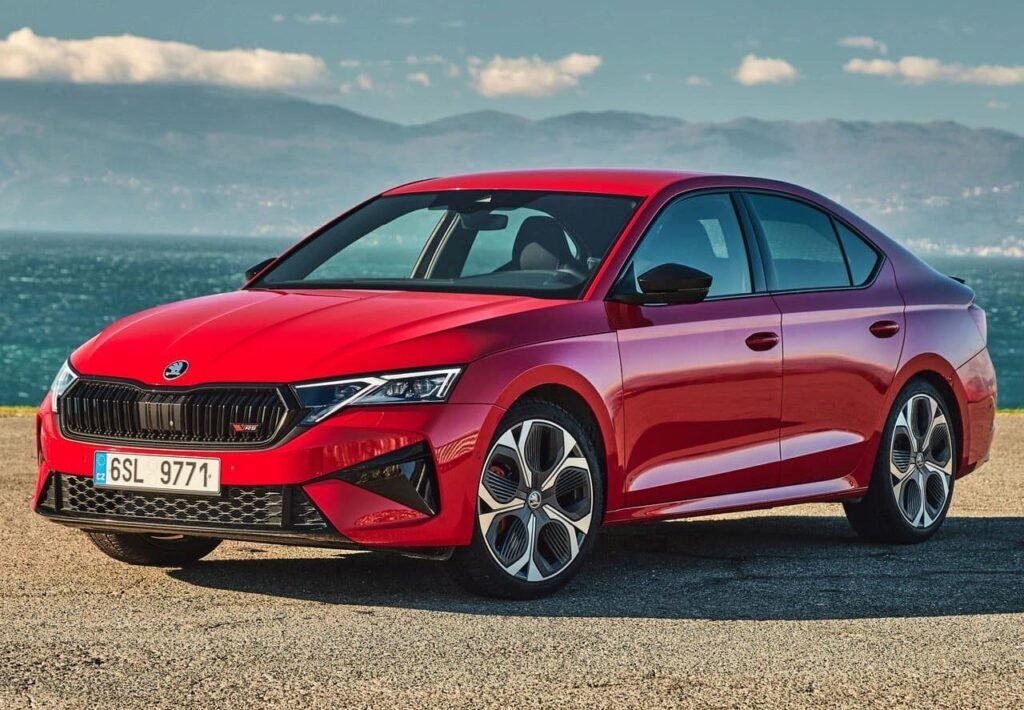
The India-EU FTA is expected to reshape India’s automotive import landscape by significantly reducing tariffs on European vehicles, potentially making them far more accessible to buyers. After nearly two decades of negotiations, India and the European Union are close to concluding a comprehensive free trade agreement that includes provisions to cut tariffs on imported European cars from extremely high levels to much lower rates.
At present, import duties on fully built European cars range from 70 percent to as high as 110 percent, making India one of the most protected auto markets globally. Under the proposed FTA, these duties could be reduced to around 40 percent initially, followed by a phased cut to nearly 10 percent over time for eligible models.
Also Read: Skoda Octavia RS and Kodiaq RS Launch Confirmed for 2026
India-EU FTA: Proposed Tariff Changes on European Cars
| Category | Current Duty | Proposed Under India-EU FTA | Long-Term Target |
|---|---|---|---|
| European CBUs | 70%–110% | ~40% | ~10% |
| Passenger ICE vehicles | High MFN rates | Reduced | Phased |
| Electric vehicles | High | Excluded initially | Later inclusion |
What the India-EU FTA Means for Buyers
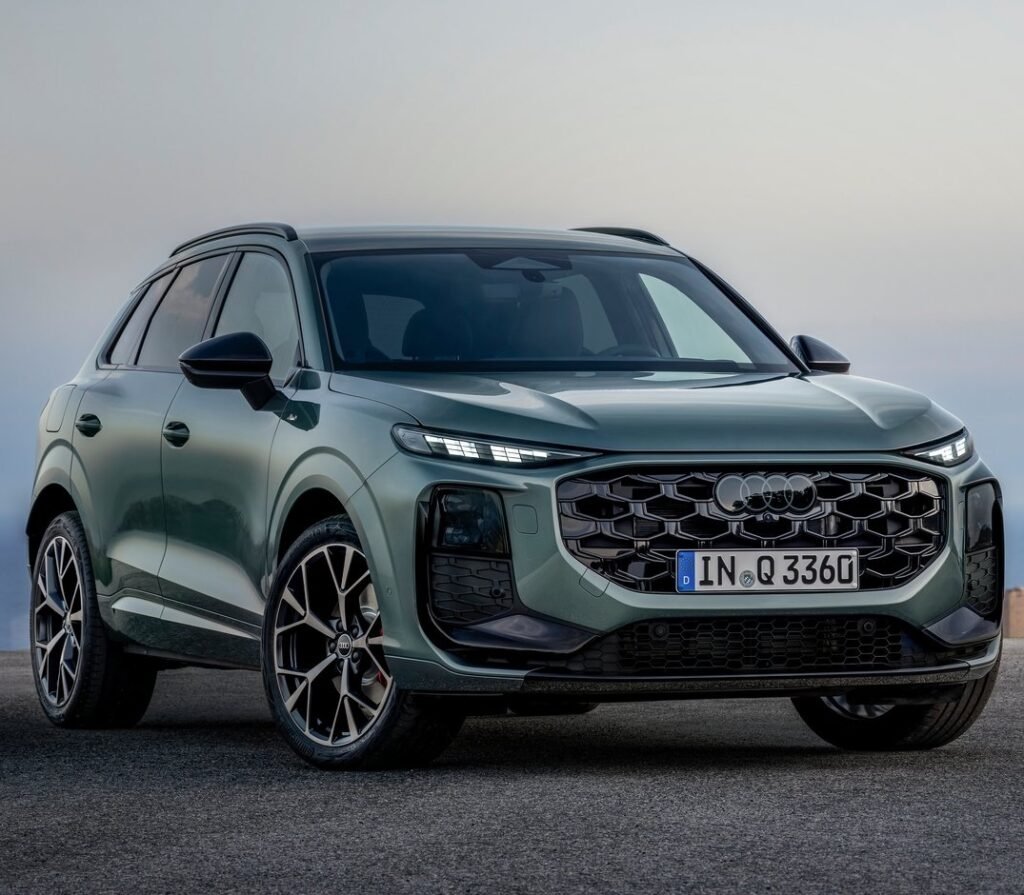
The India-EU FTA could significantly lower prices of imported European cars in India. Brands such as Volkswagen, Skoda, Audi, BMW, Mercedes-Benz, Porsche and Lamborghini currently price many models far above global levels due to steep duties.
With tariff cuts under the India-EU FTA, on-road prices of several premium models could fall by 20–35 percent, depending on the segment and localisation level. This would expand consumer choice and improve competitiveness in the premium and luxury vehicle segments.

Impact on European and Indian Automakers
The India-EU FTA may encourage European brands to introduce more niche, performance and halo models in India. Vehicles that were earlier considered commercially unviable due to high duties could now find a market.
At the same time, Indian manufacturers such as Tata Motors, Mahindra and Maruti Suzuki could face stronger competition in higher segments. The government is expected to balance tariff cuts with localisation and value-addition norms to protect domestic manufacturing under the Make in India programme.
Also Read: Volkswagen Tayron R-Line Assembly Begins in India
Trade and Economic Significance
Beyond automobiles, the India-EU FTA is aimed at strengthening overall trade between India and the European Union. The agreement is expected to cover goods, services, investment and digital trade, creating one of the largest bilateral trade frameworks globally.
Indian exports such as textiles, jewellery, chemicals and engineering goods are also likely to benefit from better access to European markets under the India-EU FTA.
When Will the India-EU FTA Take Effect?
Negotiators from both sides have indicated that the India-EU FTA is in its final stages. Once formally announced, the agreement will still need ratification by Indian authorities and EU member states. Tariff reductions are expected to be implemented gradually over several years rather than overnight.
Also Read: Top 5 Sedans Sold in December 2025
Outlook for India’s Auto Market
The India-EU FTA represents a significant shift in India’s trade and industrial policy. If implemented as expected, it could reshape the premium car market, introduce global products at more realistic prices, and push both foreign and domestic manufacturers to raise quality and technology standards.
With rising incomes, improving infrastructure and evolving consumer preferences, the Indian auto market is ready for change — and the India-EU FTA could be one of the biggest catalysts behind it.