
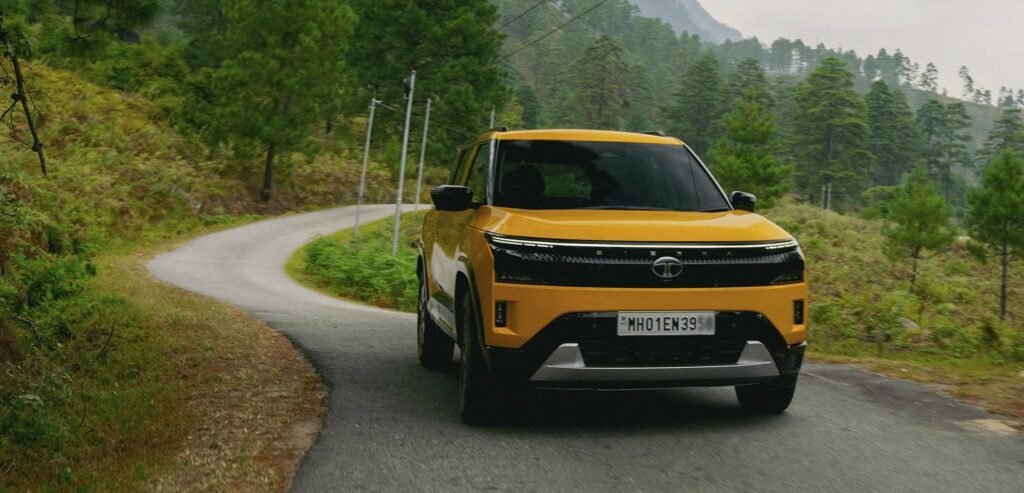
The Tata Sierra bookings milestone represents one of the most remarkable early responses for any SUV launch in India in recent memory. Since Tata Motors began accepting reservations for the new Sierra in mid-December 2025, demand has far exceeded expectations. By early February 2026, carmaker Tata Motors Passenger Vehicles Ltd confirmed that Tata Sierra bookings had crossed the six-digit mark, surpassing 1 lakh units — a rare achievement for a newly launched SUV and a testament to strong consumer interest in the model.
This surge in interest has shifted the company’s immediate focus from marketing and demand generation to supply execution and production ramp-up. Tata Motors executives have emphasised that meeting demand efficiently, rather than chasing higher booking figures, is now the top priority.
Also Read: Top 5 Sub-4m SUVs Sold in January 2026
Tata Sierra Bookings – Key Milestones
| Milestone | Detail |
|---|---|
| Booking Launch | 16 December 2025 |
| First-Day Bookings | Over 70,000 within 24 hours |
| Total Bookings | 1,00,000+ confirmed by early Feb 2026 |
| Deliveries Begin | 15 January 2026 (initial phase) |
| Current Waiting Period | Up to 3–4 months in most cities |
Record Response Within Weeks
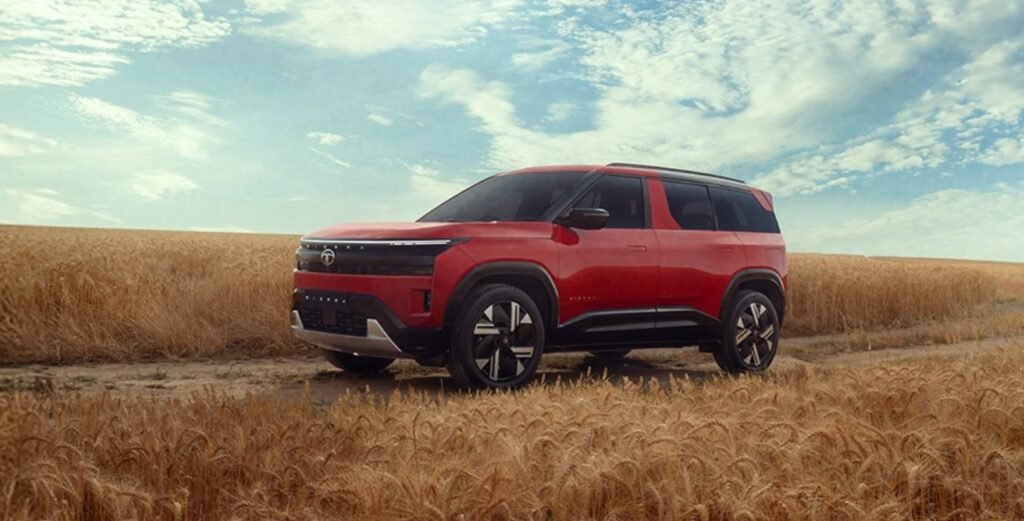
Reports from Tata Motors indicate that Tata Sierra bookings began on 16 December 2025, with customers able to reserve the SUV online or at authorised dealerships across India. Within the first 24 hours, Tata Motors received over 70,000 confirmed bookings — a staggering response that far outpaced typical debut figures for new SUVs.
Following the initial rush, the pace of reservations remained strong, pushing the total past the 1 lakh mark in just under two months. According to Shailesh Chandra, Managing Director and CEO of Tata Motors Passenger Vehicles, the order inflow has now shifted the company’s focus to supply chain and production logistics rather than headline booking numbers.
Also Read: Tata Car Sales January 2026 – Record 71,066 Units Sold as Nexon & Punch Lead Growth
Production Strategy and Capacity Plans
With demand clearly established, Tata Motors is now planning to ramp up production capacity for the Sierra to ensure timely deliveries. While earlier production levels were aligned with standard SUV launch expectations, the unexpected surge in Tata Sierra bookings prompted a strategic shift to increase output quickly.
The company aims to produce around 15,000 Sierra units per month by March 2026, which, if sustained, could translate to annualised volumes of more than 1.5 lakh units once full capacity is optimised.
However, scaling production is not without challenges. Tata Motors has acknowledged that certain supplier constraints — especially for specific components — require phased ramp-up planning. In addition, Sierra production shares capacity with other high-demand models, including the popular Tata Nexon, further complicating immediate throughput expansion.
Waiting Period Reflects Continued Demand
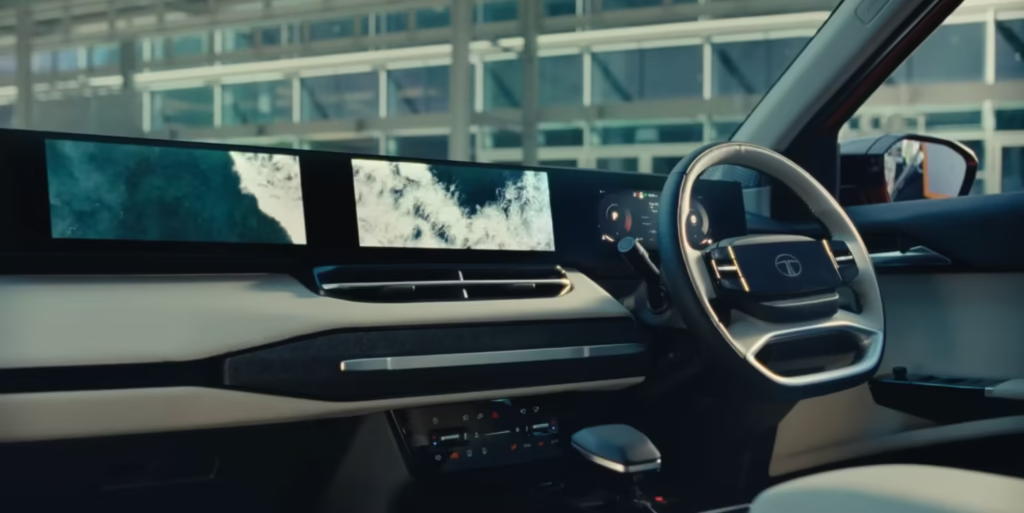
The strong pipeline of Tata Sierra bookings has resulted in an extended waiting period at dealerships across India. In many cities, customers have been quoted waiting times ranging from 2 to 4 months, depending on the variant, engine choice and transmission selected.
Interestingly, waiting periods vary by powertrain and trim. For example:
- Petrol variants generally have slightly shorter waiting periods compared with diesel.
- Automatic transmissions attract longer wait times than manual gearboxes, reflecting buyer preferences in certain segments.
These timelines are roughly consistent with a vehicle experiencing heavy demand while production scales up to meet customer needs.
Also Read: Skoda Kylaq Milestone – Production Soars Past 50,000 Units in One Year
Looking Ahead
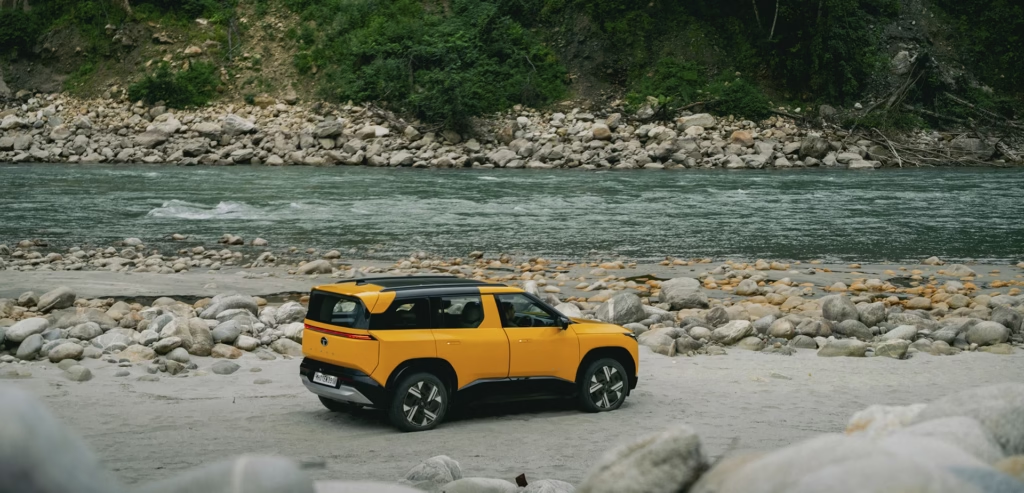
With waiting periods extending and deliveries ramping up, the challenge for Tata Motors will be to deliver on its promise of quality and timely fulfilment. While demand remains strong — as evidenced by bookings — future success will depend on the company’s ability to translate reservations into deliveries without unnecessary delays.
The Sierra’s popularity also sets the stage for potential export opportunities and future derivatives, including electrified versions, which Tata has indicated are part of its long-term strategy.